
Divorce by Husband in Nepal
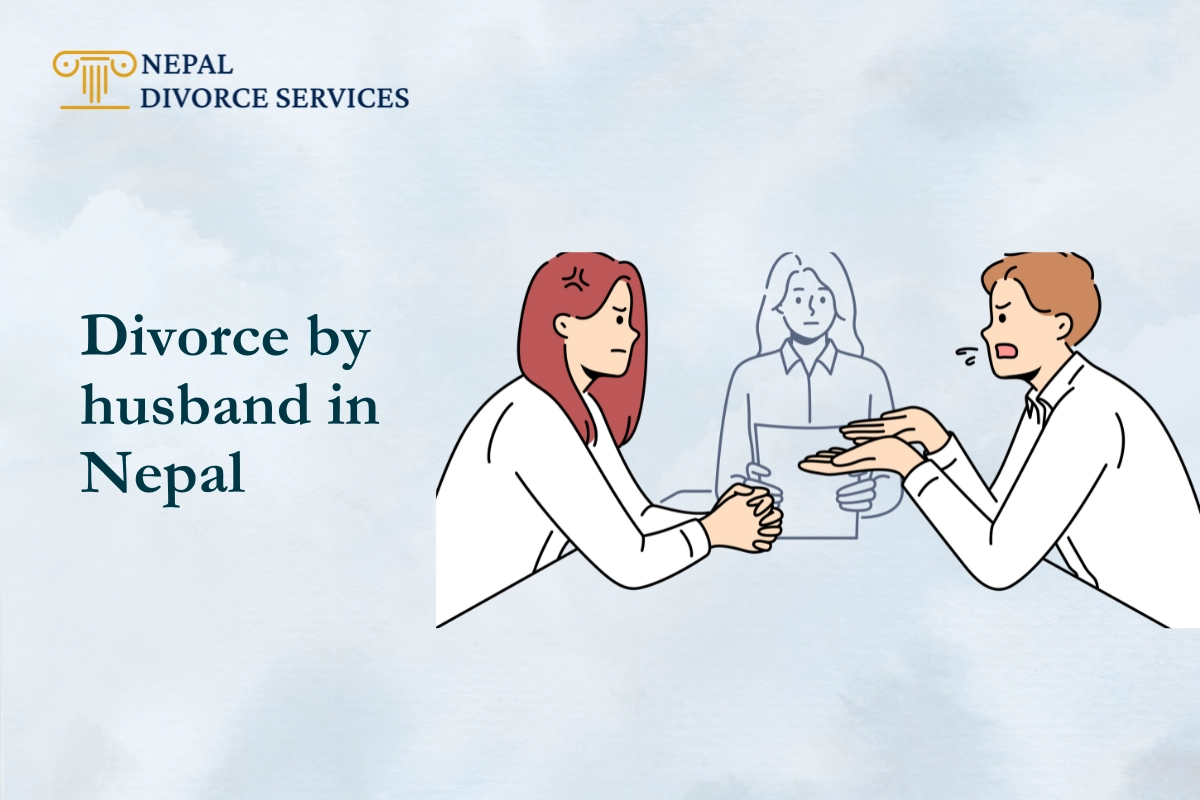
Divorce by Husband in Nepal: Understanding the Legal Process
Divorce is a significant life decision that affects individuals and families in profound ways. When a marriage cannot be salvaged despite genuine efforts, seeking legal dissolution may be the appropriate path forward. In Nepal, husbands have the legal right to initiate divorce proceedings under specific circumstances defined by law. Understanding the grounds for divorce, legal procedures, and rights involved is essential for making informed decisions. At Nepal Divorce Services, we provide expert legal assistance to men seeking divorce, guiding them through every step of the process with professionalism and discretion. As a trusted divorce lawyer in Nepal, our firm is committed to protecting our clients' rights while ensuring fair treatment for all parties involved.
Whether you are considering divorce due to irreconcilable differences, marital misconduct, or other grounds recognized by law, our experienced lawyers help you navigate the legal system effectively and achieve fair outcomes.
Legal Framework Governing Divorce in Nepal
Divorce proceedings in Nepal are governed by the National Civil Code, 2074 (Muluki Civil Code), which establishes the legal grounds, procedures, and rights applicable when marriages are dissolved. The law recognizes specific circumstances under which either spouse may seek divorce, and it provides mechanisms for addressing related matters such as child custody, property division, and financial obligations. Understanding this legal framework is the foundation for pursuing divorce successfully. Our lawyers explain these provisions clearly, helping clients understand how the law applies to their specific circumstances and what outcomes they can reasonably expect.
Grounds for Divorce Available to Husbands
Under Nepalese law, a husband may file for divorce based on several legally recognized grounds. Understanding these grounds is essential for determining whether divorce is available in your situation and how to present your case effectively.
Adultery by the wife constitutes valid grounds for divorce. If a husband can demonstrate that his wife has engaged in extramarital relationships, he may petition for divorce on this basis. Evidence supporting allegations of adultery strengthens the petition, though our lawyers advise clients on appropriate and legally acceptable methods of gathering such evidence.
Cruel or inhuman treatment provides grounds for divorce regardless of which spouse initiates proceedings. Cruelty can include physical abuse, mental cruelty, emotional manipulation, or any conduct that makes continued cohabitation unbearable. Documentation of such treatment supports divorce petitions based on cruelty grounds.
Desertion by the wife for a continuous period of three years or more without reasonable cause provides grounds for divorce. Desertion means the wife has abandoned the matrimonial home and responsibilities without the husband's consent and without valid justification.
If the wife suffers from an incurable mental illness that prevents normal marital life, or if she has a communicable disease that poses health risks, these conditions may provide grounds for divorce. Similarly, certain other circumstances recognized by law may justify divorce petitions depending on the specific facts of each case.
Mutual Consent Divorce
When both spouses agree that the marriage should end, mutual consent divorce offers a more straightforward and less contentious path. In mutual consent cases, both parties jointly petition the court, demonstrating their agreement to dissolve the marriage. This approach typically proceeds faster, costs less, and preserves more amicable relations between the parties—particularly important when children are involved. Our lawyers assist clients pursuing mutual consent divorce by facilitating productive negotiations with the spouse, drafting comprehensive agreements covering all relevant matters, and guiding clients through the court process efficiently.
Legal Procedure for Filing Divorce
The divorce process in Nepal follows established procedures that must be navigated correctly to achieve successful outcomes. Understanding these steps helps you prepare appropriately and know what to expect throughout proceedings.
The process begins with filing a divorce petition at the District Court having jurisdiction over the case. The petition must clearly state the grounds for divorce and provide supporting facts and evidence. Our lawyers prepare comprehensive petitions that present your case persuasively while meeting all procedural requirements.
After filing, the court issues a summons requiring the wife to appear and respond to the petition. If the wife does not appear or does not contest the divorce, the court may proceed to grant divorce by default after satisfying itself that proper procedures were followed.
If the wife contests the divorce, the court typically attempts mediation to explore whether reconciliation is possible. A neutral mediator facilitates discussions between the parties. If mediation fails, the case proceeds to contested court hearings where both parties present evidence and arguments.
During court proceedings, the judge considers the evidence presented, hears testimony from witnesses if necessary, and makes determinations on the divorce and related matters including child custody, alimony obligations, and property division. Having experienced legal representation is crucial for presenting your case effectively and protecting your interests throughout these proceedings.
Rights and Obligations in Divorce
Divorce proceedings involve determining various rights and obligations that affect both parties. Husbands should understand both what they may be entitled to and what responsibilities they may bear after divorce.
Regarding children, fathers have the right to seek custody or visitation arrangements. While Nepal's laws give certain preferences to mothers for young children, fathers can and do receive custody when circumstances warrant. The court determines custody based on the best interests of the children, considering factors including each parent's ability to provide care and the children's existing relationships with each parent.
Husbands may have obligations to pay alimony or spousal maintenance to former wives, particularly when the wife has been financially dependent during the marriage. The court considers various factors when determining alimony, including the duration of the marriage, each party's financial situation, and the wife's ability to support herself.
Property acquired during the marriage must be divided fairly between the parties. Our lawyers help clients identify marital assets, document their contributions, and advocate for equitable property division that protects their financial interests.
Why Choose Nepal Divorce Services
Our firm has extensive experience representing clients in divorce cases across all types of circumstances. We understand that divorce is emotionally challenging while also requiring careful legal strategy. We provide clear guidance, keep clients informed throughout proceedings, and advocate effectively for their interests. Our approach balances vigorous representation with respect for all parties involved, recognizing that fair outcomes serve everyone's long-term interests.
Schedule a Consultation
If you are considering divorce or have questions about your legal rights and options, contact Nepal Divorce Services for a confidential consultation. Our experienced lawyers will assess your situation, explain the applicable legal principles, and help you understand what to expect from divorce proceedings in Nepal. We are committed to protecting your rights while guiding you through this process professionally. Contact us today at +977 9841114443 to schedule your consultation.
Related Resources for Husbands
| Topic | Guide |
|---|---|
| Complete divorce process | Divorce Process in Nepal |
| Legal grounds & rights | Divorce Law in Nepal |
| Child custody rules | Child Custody After Divorce |
| Property division | Property Division |
| Mediation process | Mediation in Nepal |
Need Legal Help?
Contact Nepal Divorce Services for a free confidential consultation — available for clients in Nepal and abroad.
Book Free Consultation